Key Takeaways Pleural mesothelioma can cause chest pain when tumors irritate or affect tissues surrounding the lungs. Shoulder pain may occur when irritation near the diaphragm causes referred pain...
Key Takeaways Asbestos removal worker safety is important because disturbing asbestos-containing materials can release microscopic fibers into the air. Professional asbestos abatement may involve...

Key Takeaways A mesothelioma biopsy removes a sample of tissue or cells so a pathologist can examine it for signs of cancer. Imaging tests such as CT scans, PET scans, and X-rays can identify...

Key Takeaways Fluid around the lungs is a common complication of pleural mesothelioma. Doctors call this condition a pleural effusion. Pleural mesothelioma can cause inflammation that allows...

Key Takeaways Brake pads with asbestos were historically used in automotive braking systems because asbestos could withstand high temperatures and friction. Asbestos was used in certain disc brake...

Key Takeaways Pennsylvania insulators historically faced asbestos exposure because some insulation used around pipes, boilers, furnaces, and industrial equipment contained asbestos. Cutting, fitting...
Key Takeaways Mesothelioma and lung cancer are separate cancers, even though both can be caused by asbestos exposure. Pleural mesothelioma begins in the pleura, the tissue surrounding the lungs and...
Key Takeaways U.S. asbestos use increased dramatically during the 20th century and peaked in 1973 at approximately 803,000 metric tons. Asbestos was widely used in construction, shipbuilding...
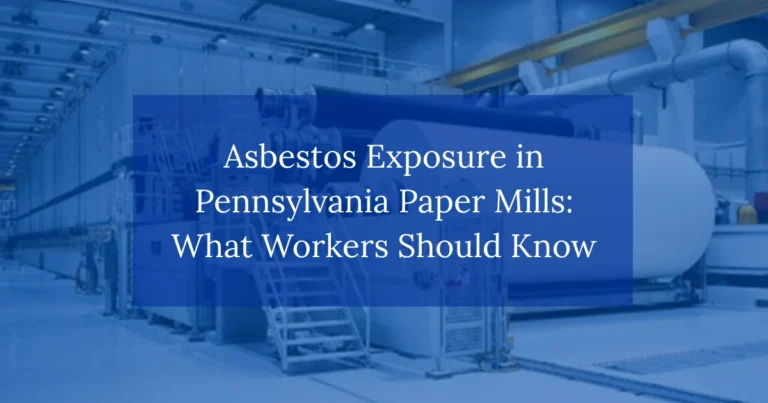
Key Takeaways Asbestos exposure in Pennsylvania paper mills may have occurred around older boilers, steam pipes, insulation, pumps, valves, gaskets, and other industrial equipment. Maintenance...

Key Takeaways A mesothelioma case may be resolved through a settlement or proceed to trial. A settlement is an agreement between the parties that resolves a legal claim without going through a trial...

Key Takeaways Secondary asbestos exposure can occur when asbestos fibers are brought home from a workplace on clothing, shoes, hair, skin, or personal belongings. Asbestos fibers may settle on shirts...

Key Takeaways Mesothelioma is considered a rare cancer because it affects a relatively small portion of the population compared with more common cancers. Mesothelioma is strongly associated with...

Key Takeaways Compensation in a mesothelioma lawsuit may include medical expenses, lost wages, loss of earning capacity, pain and suffering, and other damages depending on the individual case. Medical...

Key Takeaways Mesothelioma tumor severity is determined by more than tumor size. Doctors also consider how far the cancer has grown, whether lymph nodes are involved, and whether it has spread to...

Key Takeaways Asbestos fibers can remain in the body’s tissues and trigger a long-lasting inflammatory response that may contribute to mesothelioma development. When asbestos fibers reach the...
Key Takeaways New University of Miami research found that age-standardized mesothelioma rates declined by about one-third from 1990 to 2023, but the total number of people diagnosed increased by...
Key Takeaways Mesothelioma can develop after occupational, secondary, or environmental asbestos exposure, meaning direct workplace exposure is not the only possible source. Not everyone exposed to...
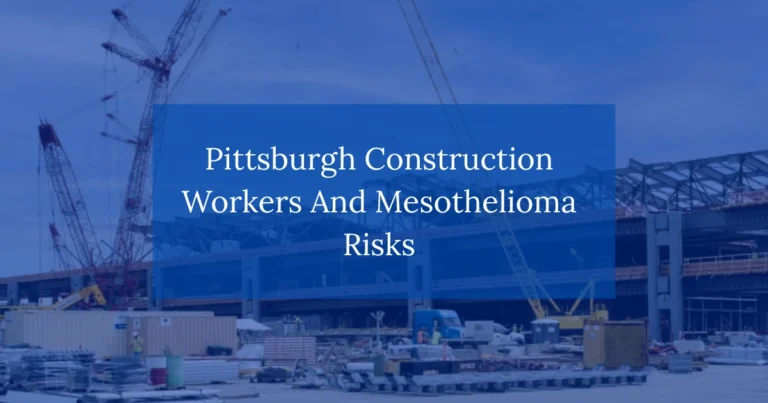
Key Takeaways Pittsburgh’s bridges, tunnels, and other infrastructure were built during an era when asbestos-containing materials were commonly used throughout major construction projects...

Key Takeaways The PACT Act expanded VA benefits for veterans exposed to toxic substances, making it easier for many to obtain healthcare and disability compensation. Pennsylvania veterans diagnosed...
Key Takeaways Pain is one of the most common symptoms mesothelioma patients experience — caused by tumor growth pressing on nerves and organs, inflammation, fluid buildup, surgical recovery, and...

Key Takeaways Even if the company that exposed you to asbestos no longer exists, you may still have legal options. An experienced asbestos attorney can pursue compensation through bankruptcy trusts...

Key Takeaways Families often notice early signs of asbestos-related illness long before a medical diagnosis — through subtle changes in energy, breathing, mobility, and daily habits that don’t...
Key Takeaways Not everyone exposed to asbestos develops mesothelioma — even in communities with heavy exposure, only a small portion of people get sick. Research suggests that genetic factors and...
Key Takeaways Pennsylvania is the birthplace of the American oil industry — following Edwin Drake’s 1859 oil well in Titusville, the state built extensive pipeline systems for transporting crude...
Key Takeaways An estate claim allows the family of a mesothelioma victim to pursue or continue a legal claim after their loved one has passed away — the right to seek compensation becomes part of the...
Key Takeaways Asbestos was used widely throughout the 20th century because it was durable, cheap, and resistant to heat and corrosion. Blue collar workers in construction, manufacturing, shipbuilding...

Key Takeaways A mesothelioma medical binder centralizes appointments, test results, treatment plans, and insurance paperwork, making it easier to stay organized across multiple providers. Core...

Key Takeaways Penn Medicine is home to a multidisciplinary mesothelioma program where specialists collaborate to develop personalized treatment plans for each patient. Patients have access to advanced...
Key Takeaways Pennsylvania generally gives mesothelioma patients two years from the date of diagnosis to file a personal injury lawsuit under the state’s discovery rule. Surviving family members...
Key Takeaways Cold storage facilities relied on asbestos for decades — in pipe insulation, refrigeration systems, compressors, boilers, gaskets, and fireproofing materials. Refrigeration technicians...
Key Takeaways Mesothelioma itself and treatments such as chemotherapy can alter taste and smell, causing foods to taste metallic, bitter, bland, or different than they did before treatment. Taste...

Key Takeaways Building inspectors frequently enter older homes, schools, commercial buildings, and industrial facilities where asbestos-containing materials may still be present. The greatest asbestos...

Key Takeaways Many restaurants operate in older buildings where asbestos-containing materials may still be present in kitchens, dining areas, basements, and utility spaces. Asbestos was commonly used...

Key Takeaways The Pennsylvania Mesothelioma Information Office has expanded with new locations to make educational resources and support more accessible to patients and families across the...

Key Takeaways Pennsylvania’s logging and lumber industries are not commonly associated with asbestos, but many mills relied on asbestos-containing equipment and building materials throughout the...
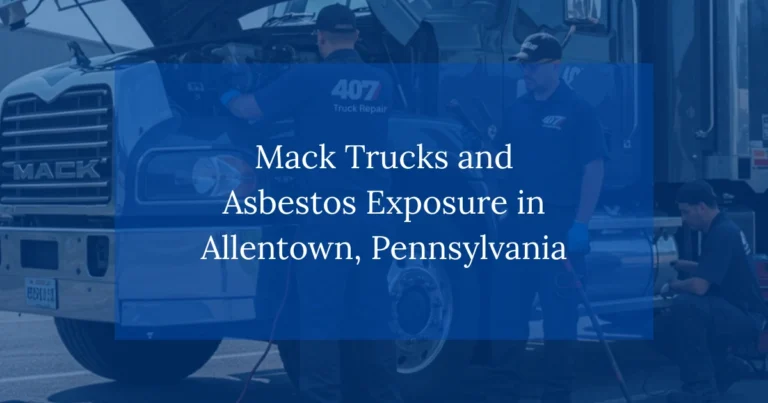
Key Takeaways Mack Trucks played a major role in Allentown’s manufacturing history, and asbestos-containing materials were commonly used throughout truck production and industrial facilities...

Key Takeaways Many college towns have older dormitories, apartments, and rental homes that may still contain asbestos-containing materials if they were built before the 1980s. Asbestos generally does...

Key Takeaways The asbestos crisis showed that companies have a responsibility to act quickly when credible evidence suggests their products or workplaces may pose serious health risks. Delaying...

Key Takeaways The asbestos crisis demonstrated that companies have a responsibility to identify, disclose, and address known health risks associated with their products and workplaces. Delays in...

Key Takeaways Many of Pennsylvania’s older water treatment plants were built when asbestos-containing materials were commonly used throughout industrial infrastructure. Asbestos may still be...
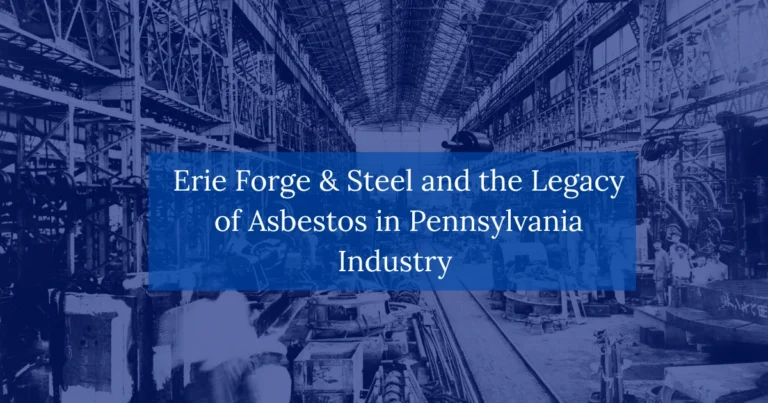
Key Takeaways Erie Forge & Steel was part of Pennsylvania’s long industrial history, where asbestos-containing materials were widely used to withstand the extreme heat of steel...
Key Takeaways Pennsylvania has made important progress in regulating asbestos abatement, but aging buildings and infrastructure mean asbestos exposure remains a significant public health concern...
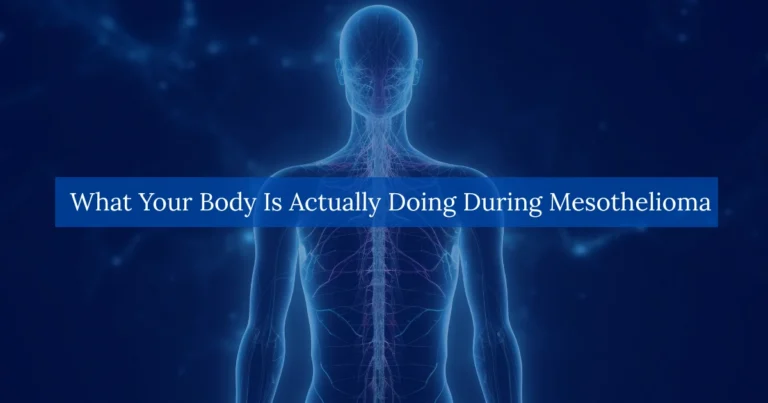
Key Takeaways Mesothelioma develops when asbestos fibers become trapped in the mesothelium, triggering chronic inflammation and damaging healthy cells over many years. The body’s immune system...
Key Takeaways Public health officials linked asbestos to mesothelioma through decades of medical research, occupational health investigations, and epidemiological studies. A landmark 1960 study of...
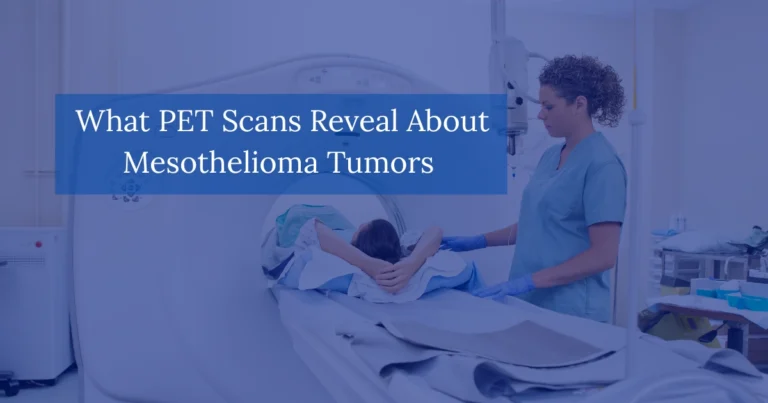
Key Takeaways PET scans help doctors evaluate how active mesothelioma tumors are by detecting areas with increased metabolic activity. PET/CT scans are commonly used to determine whether mesothelioma...
Key Takeaways Mesothelioma diagnoses continue today because the disease typically develops 20 to 50 years after asbestos exposure. Although asbestos use has declined significantly in the United...
Key Takeaways Older sidewalks, roads, and underground infrastructure may contain asbestos-containing materials that can release fibers when disturbed during repair or demolition work. Activities such...

Key Takeaways Asbestos demonstrates how widespread chemical hazards can take decades to fully understand, leaving generations exposed before meaningful regulations are implemented. PFAS, lead, and...

Key Takeaways Many people with mesothelioma can travel safely with proper planning and approval from their healthcare team. Patients should speak with their doctor before traveling, especially if they...

Key Takeaways Most Pennsylvania mesothelioma lawsuits settle within 6 to 18 months, although every case is different. Cases that proceed to trial or involve multiple defendants, appeals, or complex...

Key Takeaways Most gardening activities are safe, but disturbing asbestos-containing materials or contaminated soil around older homes can release harmful fibers into the air. Asbestos may be found...
Key Takeaways Occupational asbestos exposure occurs while working in jobs where asbestos-containing materials are handled or disturbed, such as construction, manufacturing, shipbuilding, and...
Key Takeaways States like Pennsylvania, New York, New Jersey, and Massachusetts still face elevated asbestos risks due to their long industrial history, aging infrastructure, and dense urban...
Key Takeaways Community-led asbestos monitoring involves residents, parents, workers, or local groups actively watching for and reporting asbestos risks in their neighborhoods, especially in states...
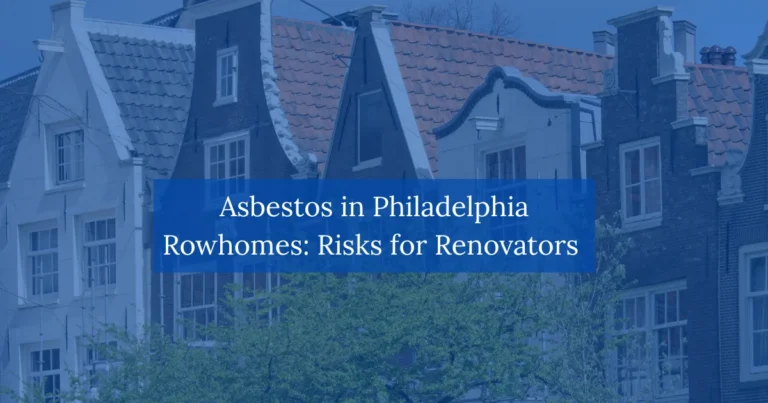
Key Takeaways Many Philadelphia rowhomes built or renovated before the 1980s contain asbestos in pipe insulation, boiler coverings, vinyl floor tiles, linoleum adhesive, ceiling tiles, plaster, joint...
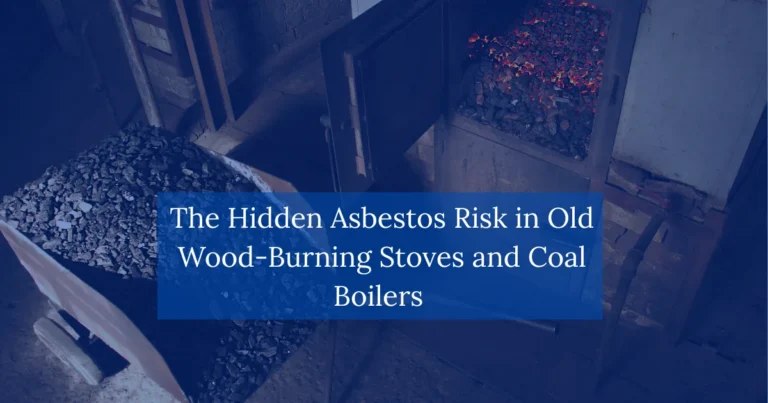
Key Takeaways Many wood-burning stoves and coal-fired boilers installed decades ago were built with asbestos-containing insulation, linings, seals, and cement materials. These materials are generally...

Key Takeaways Pennsylvania families facing a mesothelioma diagnosis can access three main types of help: medical, financial, and legal. Leading treatment centers include Penn Medicine Abramson Cancer...

Key Takeaways Mesothelioma legal timelines are already in motion once a diagnosis occurs, even though exposure often happened decades earlier. Pennsylvania’s statute of limitations limits how...

Key Takeaways Winter temperature inversions trap cold air, and the pollutants within it, close to the ground for hours or days instead of letting it disperse normally. Pennsylvania’s former...
Key Takeaways Safe, guided exercise isn’t a cure, but research shows it can help mesothelioma patients tolerate chemotherapy, immunotherapy, radiation, and surgery better. Physically active...
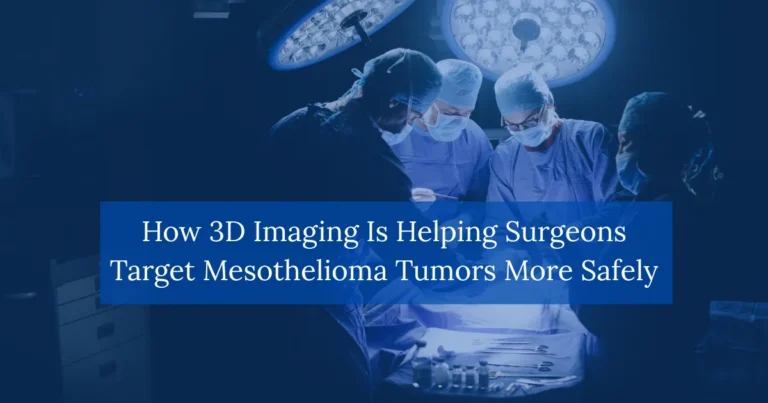
Key Takeaways 3D imaging uses CT, MRI, or PET scans to build a full three-dimensional model of a patient’s chest and tumor, which surgeons can rotate and view from multiple angles. Because...

Key Takeaways Art and music therapy give mesothelioma and lung cancer patients a way to process fear, grief, and uncertainty that’s separate from medical treatment. Music therapy can help lower...

Mesothelioma is widely known as a disease linked to asbestos exposure, but exposure is only part of the story. Over the last decade, researchers have discovered that genetics also play a powerful...

Key Takeaways Big Data and AI are emerging as powerful tools for predicting where future mesothelioma cases will appear — helping public health agencies, advocacy groups, and communities act before...
Key Takeaways Mesothelioma develops silently — most people feel completely healthy for years or decades after asbestos exposure before any symptoms appear. Early symptoms often mimic common illnesses...
Key Takeaways Asbestos exposure isn’t just a workplace issue — it’s a community-wide concern that still affects Pennsylvania neighborhoods. Older homes, schools, and public spaces built...

Key Takeaways A mesothelioma lawsuit is a legal claim against the companies that knowingly exposed you to asbestos — it’s not about “suing someone,” it’s about holding...

Key Takeaways Plumbers and pipefitters were among the most heavily exposed tradesmen — asbestos was in the very materials they handled daily, including pipe insulation, cement, joint compounds...

Key Takeaways Emerging blood tests offer hope for detecting mesothelioma earlier — before symptoms appear — when treatment options are widest and survival rates are highest. Biomarker-based testing...

Key Takeaways Asbestos wasn’t just used in factories and buildings — it was also incorporated into vintage sports gear throughout the mid-20th century, including helmets, pads, gloves, and...
Key Takeaways Truck mechanics were among the most at-risk workers for asbestos exposure. Brakes, clutches, gaskets, insulation, and heat shields in trucks all contained asbestos — and every repair...

Key Takeaways What you eat, how you rest, and how you manage side effects during mesothelioma treatment can make a meaningful difference in how you feel and how well you tolerate treatment. Focus on...

Key Takeaways Nurses are often the most consistent presence in a mesothelioma patient’s care — providing compassion, advocacy, education, and emotional support from diagnosis through treatment...
Key Takeaways Pennsylvania firefighters face a higher risk of asbestos exposure because the state has thousands of older homes, factories, and schools built with asbestos-containing materials. When...

Key Takeaways Beyond the physical challenges, many mesothelioma patients face a heavy emotional burden — loneliness. With fewer than 3,000 cases per year in the U.S., most patients never meet another...

Key Takeaways HVAC workers are at elevated risk for asbestos exposure — especially when servicing, repairing, or replacing older heating, ventilation, and air conditioning systems installed before the...

Key Takeaways Asbestos exposure doesn’t just happen at work — it can happen in your own home. Older household appliances and heating systems were manufactured with asbestos because of its...

Key Takeaways One of the hardest parts of a mesothelioma diagnosis is telling your children or grandchildren. Finding the right words — and knowing what to avoid — can help children feel safe and...
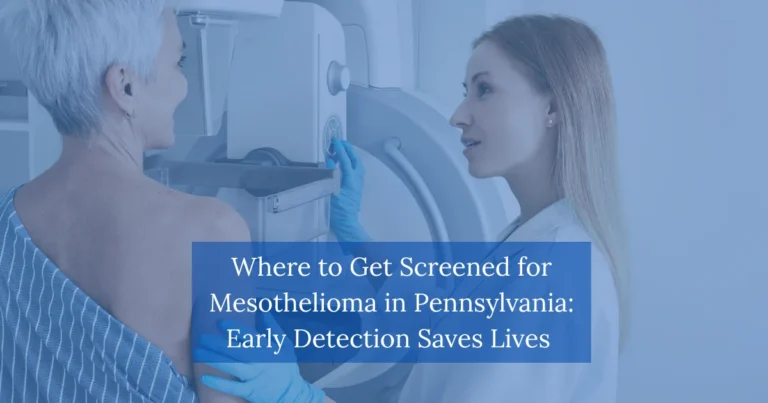
Key Takeaways If you’ve ever been exposed to asbestos — or believe you may have been — you should get screened for mesothelioma. Early detection dramatically improves treatment options and...

Key Takeaways While mesothelioma remains difficult to treat, significant advances are happening across multiple areas — including immunotherapy, gene therapy, targeted therapy, personalized medicine...

Key Takeaways Mesothelioma treatment is expensive — but multiple financial resources exist to help patients and families manage costs, including insurance, asbestos trust funds, disability benefits...

Key Takeaways A mesothelioma diagnosis affects the entire family — not just the patient. Caregivers face emotional strain, financial pressure, and the challenge of navigating complex medical and legal...

Key Takeaways SEPTA trolley maintenance workers in Philadelphia face a hidden asbestos exposure risk from the older trolley cars they service — asbestos was used in brake pads, clutches, gaskets, and...
Key Takeaways Hess Corporation’s St. Croix Refinery used asbestos extensively in its infrastructure — including insulation around pipes and boilers — from the 1960s onward, exposing workers to...
Key Takeaways A mesothelioma diagnosis raises urgent questions. The five most important ones to ask your medical team are about treatment options, your specific type, treatment costs, potential side...

Key Takeaways Mesothelioma and lung cancer are both serious cancers that can affect the chest area and share similar symptoms — but they are different diseases with different causes, locations, and...

Key Takeaways The USS America (CV-66) was a Kitty Hawk-class aircraft carrier built in the 1960s for the U.S. Navy. Asbestos was present throughout the ship — in boiler rooms, engine areas, the...
Key Takeaways Pennsylvania’s industrial history created widespread asbestos exposure across multiple industries — including automobile repair, construction, steel mills, power plants, and...
Key Takeaways In March 2024, the EPA banned the ongoing use of chrysotile asbestos in the United States — the only type still being imported and commercially used. The ban is now being challenged in...
Asbestos is a naturally occurring silicate material that was commonly used in the United States and throughout the world in many different industries. Many companies and manufacturers used asbestos in...

Key Takeaways Valley-Mount Sinai Comprehensive Cancer Care in Paramus, NJ offers mesothelioma treatment through a multidisciplinary lung cancer team — including surgical specialists, medical...
Key Takeaways For decades, many companies manufactured asbestos-containing products despite knowing the health risks — because asbestos was cheap, heat-resistant, flexible, and strong. Known asbestos...

Key Takeaways The FDA has proposed a standardized testing rule that would require every batch of talc-containing cosmetic products to be tested for asbestos contamination using microscopy techniques...

Key Takeaways Veterans account for over 30% of all mesothelioma claims each year. Asbestos was used in every branch of the U.S. military from approximately 1930 to 1980. Three compensation pathways...

Key Takeaways The free Pennsylvania Mesothelioma Information Guide is a comprehensive resource specifically tailored for mesothelioma patients, families, and caregivers in Pennsylvania. The guide...
Key Takeaways A 2024 BBC investigation tested eight commercially available cosmetic samples containing talc and found that two contained trace levels of asbestos — confirming that asbestos...

Key Takeaways A new clinical trial tested pegargiminase combined with chemotherapy specifically for patients with non-epithelioid pleural mesothelioma — the most aggressive and hardest-to-treat...
Key Takeaways Researchers at the Mayo Clinic have developed a new blood-based test for detecting mesothelioma that targets chromosomal rearrangements — swapped sections of DNA in cancer cells — rather...

Key Takeaways If you or a loved one has been diagnosed with mesothelioma, you have the right to seek compensation. There are three primary legal pathways: filing a lawsuit, filing asbestos trust fund...
Key Takeaways Mesothelioma patients in the Scranton and Lackawanna County area have access to specialized treatment — though the closest dedicated mesothelioma program is at the Rutgers Cancer...

Key Takeaways Asbestos was used extensively on U.S. Navy cruisers from the 1930s through the 1970s — in pipes, switches, ceiling tiles, boiler rooms, and engine rooms. Navy veterans who repaired and...

Key Takeaways While mesothelioma remains incurable, new research and clinical trials are producing increasingly promising results — improving both survival times and quality of life for patients...
Key Takeaways Mesothelioma is caused by exposure to asbestos — a naturally occurring silicate mineral once used heavily in construction, automotive products, and shipbuilding. When asbestos fibers are...

Key Takeaways Allegheny County — home to Pittsburgh — has some of the highest mesothelioma rates of any county in the nation, driven by decades of steel industry asbestos use. Specialized mesothelioma...

Key Takeaways Philadelphia railroad workers were routinely exposed to asbestos through their daily work. Asbestos was used in boilers, clutches, gaskets, steam engines, boiler rooms, engine rooms...

Key Takeaways Boiler workers — including boiler mechanics, operators, and maintenance personnel — were routinely exposed to asbestos through the equipment they serviced daily, including pumps, pipes...
Key Takeaways The steel industry is one of the most common occupations associated with asbestos-related disease. Asbestos was used to protect workers from extreme heat in furnaces, ovens, pipes...

Key Takeaways Mesothelioma is a rare cancer that forms in the mesothelium — the thin tissue lining that covers and protects the body’s internal organs. About 3,000 people are diagnosed each year...
Key Takeaways Several mesothelioma clinical trials are currently available to patients in Pennsylvania and nearby states — offering access to emerging treatments not yet widely available. One active...

Key Takeaways Mesothelioma is classified by both location (pleural, peritoneal, pericardial, testicular) and cell type (epithelioid, sarcomatoid, biphasic). Cell type directly affects diagnosis...
Key Takeaways Asbestos exposure can occur in three ways: occupational (direct workplace contact), proximity/environmental (being near asbestos that has been released into the air), and secondhand...
Key Takeaways Asbestos exposure is the primary risk factor for developing mesothelioma, accounting for approximately 80% of all cases. This exposure most commonly occurs in occupational settings...
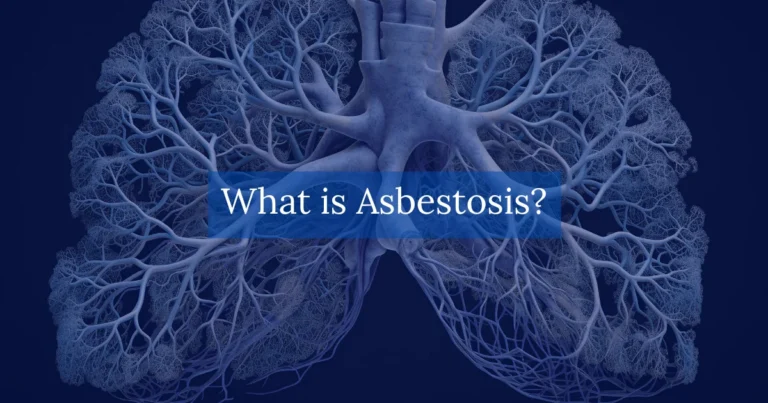
Key Takeaways Asbestosis is a chronic, progressive lung disease caused by inhaling asbestos fibers that become lodged in the lungs and cause scarring (fibrosis). It is not a cancer — it differs from...

Key Takeaways Mouse models are a critical tool in mesothelioma research — mice share similar genetic panels with humans, and mouse-model research has increased mesothelioma treatment response rates...

Key Takeaways A biopsy — removing a tissue sample for laboratory analysis — is the only way to definitively confirm a mesothelioma diagnosis. Imaging tests like X-rays, CT scans, and MRIs can suggest...

Key Takeaways Personalized immunotherapy takes a patient’s own immune cells, genetically modifies them to recognize and attack cancer cells, and reintroduces them into the body — unlike...
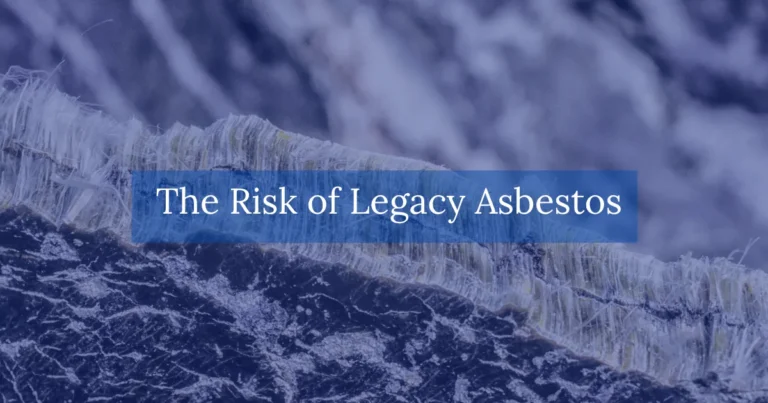
Key Takeaways Legacy asbestos is asbestos that remains embedded in older buildings, infrastructure, industrial sites, and the natural environment — in flooring, vinyl tiles, paint, water pipes...
Key Takeaways Grading mesothelioma — assessing the aggressiveness of cancer cells — is critical for determining prognosis and selecting the best treatment plan. It is distinct from staging, which...

Key Takeaways The MARS2 clinical trial was a landmark UK study (2015–2020) that compared chemotherapy alone versus chemotherapy combined with extended pleurectomy decortication (EPD) surgery for...
Key Takeaways Veterans account for approximately 30% of all mesothelioma cases in the United States — making military service one of the single largest risk factors for the disease. All five branches...

Key Takeaways Asbestos exposure is not limited to the workplace — naturally occurring asbestos (NOA) exists in soils, sediments, rocks, natural water sources, and even rural air, meaning environmental...
Key Takeaways Countries that banned asbestos decades ago have seen a significant decrease in the incidence rate of mesothelioma — providing evidence that bans do eventually reduce cases. However, the...
Key Takeaways Asbestos in Pennsylvania is more common than in most other U.S. states — the state has both naturally occurring asbestos deposits and a massive industrial legacy of imported asbestos...
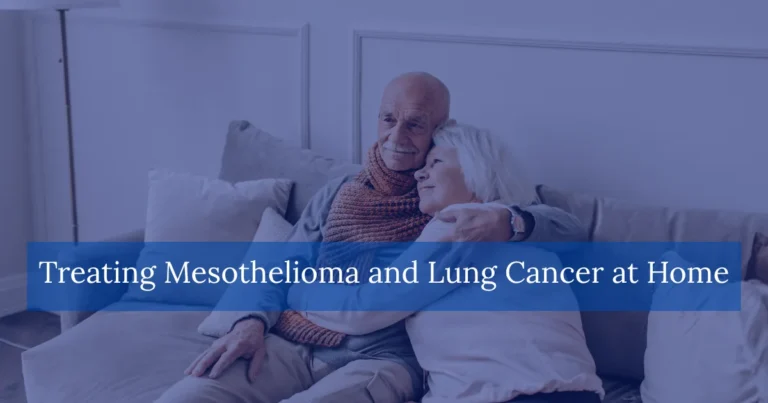
Key Takeaways While mesothelioma treatment primarily occurs in clinical settings, certain at-home tools and equipment can help patients manage symptoms, improve comfort, and support the effectiveness...

Key Takeaways The latency period of mesothelioma — the time between asbestos exposure and cancer onset — ranges from 20 to 50 years. During this period, the disease cannot be detected, targeted, or...

Key Takeaways Mesothelioma affects more than the body — it takes a significant toll on mental health for both patients and caregivers, including anxiety, stress, depression, and symptoms similar to...
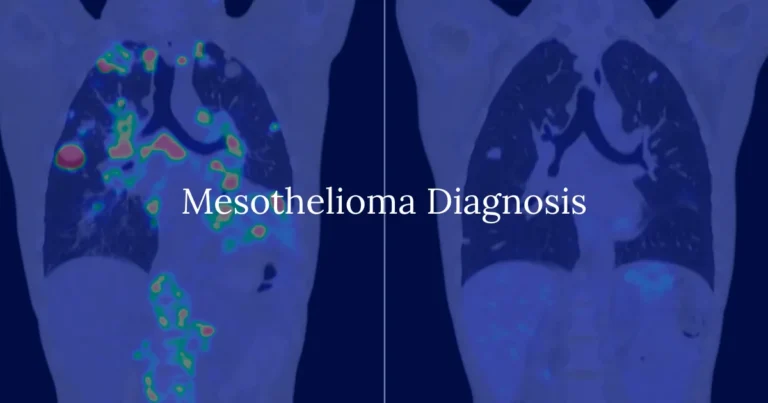
Key Takeaways Obtaining a correct mesothelioma diagnosis is difficult because symptoms — shortness of breath, coughing, fatigue, weight loss — overlap with many common respiratory conditions like...

Key Takeaways Gene therapy seeks to reverse or compensate for the genetic mutations that drive mesothelioma — restoring healthy cell function without modifying the actual genes themselves, since...
Key Takeaways Asbestos has been used by humans since the Stone Age — initially to strengthen ceramics and cooking vessels. The ancient Greeks named it “asbestos” (meaning...

Key Takeaways Mesothelioma is rare — approximately 3,000 cases per year in the United States. The American Cancer Society notes that most people exposed to asbestos, even in large amounts, do not...

Key Takeaways Testicular mesothelioma is the rarest form of mesothelioma, accounting for approximately 1–2% of all cases. It develops in the tunica vaginalis — the membrane covering the testicles...
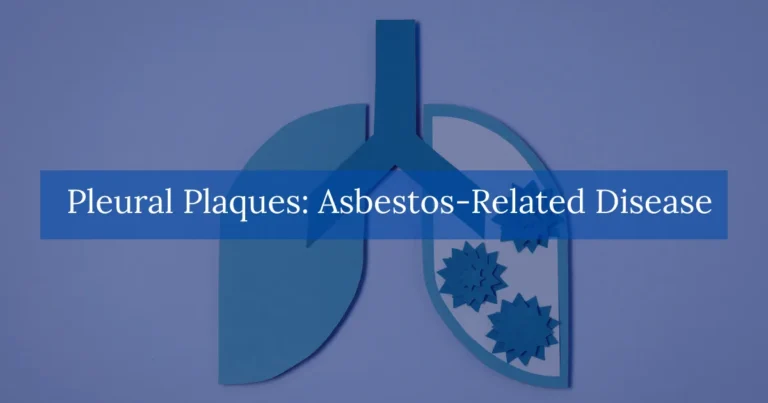
Key Takeaways Pleural plaques are benign (non-cancerous) collagen-based growths that form in the pleura — the tissue lining around the lungs, abdomen, or heart — as the body’s immune response to...
Key Takeaways EMT (epithelial-mesenchymal transition) is a biological process in which stationary epithelial cells — the cells lining organs and body surfaces — transform into mobile, stem cell-like...

Key Takeaways While new mesothelioma treatments are being developed, there is a significant lag between clinical trial approval and widespread availability. Improving existing treatments — not just...

Key Takeaways Immunotoxins are immune cells that have been chemically bound to toxic compounds and programmed to target and kill specific cancer cells — in this case, mesothelioma cells — without...

Key Takeaways Mesothelioma is not directly hereditary — you cannot inherit mesothelioma itself. However, you can inherit a genetic mutation that increases your risk of developing mesothelioma if you...
Key Takeaways Asbestos is a naturally occurring mineral; fiberglass is a synthetic material made from fine glass fibers. Both are used for insulation and share heat-resistant properties, but their...

Key Takeaways Multimodal imaging uses multiple imaging techniques together — chest X-rays, CT scans, PET scans, and MRIs — to diagnose mesothelioma non-invasively. Using several techniques creates a...
Key Takeaways Asbestos exists in two forms: friable (loose, crumbly, easily releases fibers into the air) and non-friable (bonded into cement or other materials, generally stable when undisturbed)...
Key Takeaways Mesothelioma is a rare but aggressive cancer caused by asbestos exposure. There are four types: pleural (lungs, ~75% of cases), peritoneal (abdomen, ~20%), pericardial (heart, ~1%), and...

Key Takeaways A mesothelioma diagnosis takes a significant toll on mental health. A 2024 study of 96 mesothelioma patients and caregivers found that 50% reported anxiety, 30% reported clinical...

Key Takeaways Immunotherapy is a treatment that works by restoring and strengthening the body’s own immune system to recognize and attack mesothelioma cells — rather than directly killing cancer...

Key Takeaways There are three mesothelioma cell types — epithelioid, sarcomatoid, and biphasic — and identifying which type is present directly affects diagnosis, treatment options, and prognosis...

Key Takeaways The BAP1 gene is a tumor-suppressing gene that controls critical cellular processes — including tumor growth inhibition, programmed cell death, and DNA repair. It is mutated in...
Key Takeaways Mesothelioma is a rare cancer that develops in the tissue lining of internal organs (lungs, heart, abdomen, or testicles). Asbestosis is a chronic, noncancerous lung disease that causes...
Key Takeaways MESODEC is a Phase II clinical trial that combines a dendritic cell vaccine with platinum/pemetrexed chemotherapy to treat malignant pleural mesothelioma. The trial targets the...
Key Takeaways Asbestos cement (AC) is Portland cement (clay and limestone) reinforced with asbestos. It was used for approximately 50 years in American infrastructure — primarily in water pipes...
Key Takeaways Calretinin and mesothelin are two biomarkers that can be measured through blood tests to help diagnose mesothelioma. On their own, neither is sufficient — but when analyzed together...
Key Takeaways Asbestos is not a thing of the past. The EPA estimates that up to 107,000 buildings in the United States still contain asbestos, including older homes and schools. More than 3,000...
Key Takeaways In 1989, the EPA enacted a partial ban on asbestos — preventing the manufacture, sale, assembly, and import of some asbestos-containing products. It was the first significant federal...

Key Takeaways Asbestos fibers lodged in the lungs create a localized iron deficiency — the electric charge of asbestos fibers attracts iron more effectively than the body’s own cells can...
Key Takeaways Chemotherapy is the standard treatment for mesothelioma. It works by disrupting the life cycles of all cells in the body — both cancerous and healthy — making it effective against cancer...

Key Takeaways Mesothelioma affects approximately 3,000 people per year in the United States. While it impacts individuals across all demographics, clear trends emerge by age, gender, and race. Age:...

Key Takeaways Workers in certain occupations were routinely exposed to asbestos and face an elevated risk of developing mesothelioma and other asbestos-related diseases. Insulators handled asbestos...

Key Takeaways Blood tests are an emerging diagnostic tool for mesothelioma — they detect biomarkers (chemical substances released, increased, or decreased by mesothelioma tumors) that can indicate the...
Key Takeaways Asbestos was used extensively in the United States throughout much of the 1900s — in homes, schools, buildings, ships, and automobiles — because it was heat-resistant, flexible, durable...
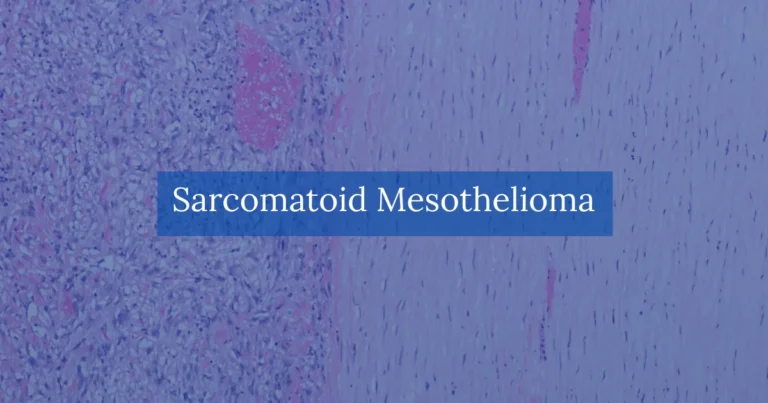
Key Takeaways Sarcomatoid mesothelioma is the rarest and most aggressive of the three mesothelioma cell subtypes, accounting for 10–20% of all cases. The average life expectancy after diagnosis is...
Key Takeaways Asbestos was widely used in protective workwear — including aprons, gloves, oven mitts, overalls, and firefighters’ uniforms — because of its fireproofing and heat-resistant...

Key Takeaways Unexpected weight loss is a common symptom of mesothelioma — caused by both the disease itself (an imbalance between energy intake and expenditure) and the side effects of treatments...
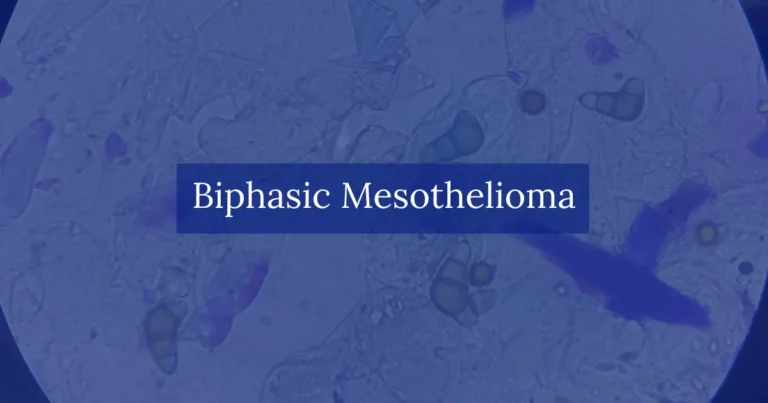
Key Takeaways Biphasic mesothelioma is the second most common cell subtype, accounting for 20–30% of all mesothelioma cases. It contains both epithelioid and sarcomatoid cells — at least 10% of each...
Key Takeaways Lung cancer and mesothelioma are two different diseases — they differ in cause, origin, latency period, prevalence, and how they are diagnosed. Lung cancer originates inside the lung...
Key Takeaways Epithelioid mesothelioma is the most common subtype of mesothelioma, accounting for 50–70% of all cases. It originates in epithelioid cells — the cells that line the surfaces of organs...
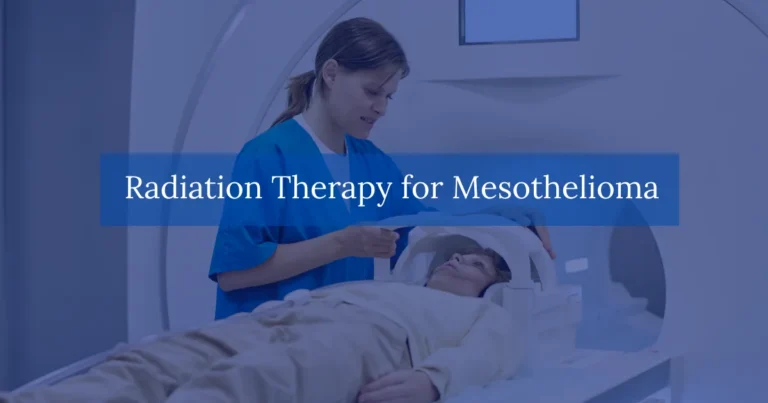
Key Takeaways Radiation therapy uses high-energy X-rays or charged particles to kill cancerous cells. Unlike chemotherapy (which affects the entire body), radiation specifically targets the area where...
Key Takeaways Advances in mesothelioma treatment are happening across multiple areas — including genetics, imaging, surgery, radiation therapy, and emerging T-cell therapies. The gene BAP1 is the most...

Key Takeaways Cancer vaccines are an emerging form of immunotherapy being developed to treat mesothelioma. Unlike preventive vaccines (like the flu shot), these are therapeutic vaccines designed to...

Key Takeaways Mesothelioma is rare — about 3,000 new cases per year in the United States, representing less than 0.2% of all cancer diagnoses. Pennsylvania has the third-highest mesothelioma incidence...

Key Takeaways Asbestos has been found in talc-based cosmetics — including eyeshadow, foundation, and products marketed to children — because talc is a mined mineral that can be contaminated when...

Key Takeaways Epigenetics is the study of how external factors change the way genes are expressed — without altering the DNA sequence itself. These changes are driven by proteins called histones...
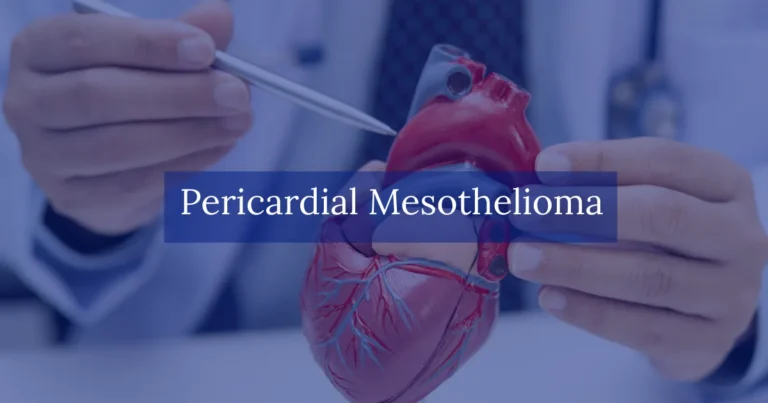
Key Takeaways Pericardial mesothelioma is a rare, aggressive cancer that develops in the mesothelium — the tissue lining that surrounds the heart. It accounts for only 1 to 2% of all mesothelioma...
Key Takeaways Peritoneal mesothelioma is the second most common type of mesothelioma, accounting for about 20% of all cases. It develops in the lining of the abdominal cavity (the peritoneum). There...
Key Takeaways The BoRit Asbestos Superfund Site is a 32-acre area in Ambler, PA — approximately 20 miles north of Center City Philadelphia — where a nearby asbestos production plant dumped asbestos...
Key Takeaways Pittsburgh was the “Steel Capital of the World” by the late 19th century — its location on three major rivers, proximity to natural resources, and position between the East...
Key Takeaways Diagnosing malignant pleural mesothelioma (MPM) is a multi-step process that typically begins with symptom evaluation and occupational history, followed by imaging tests and ultimately a...
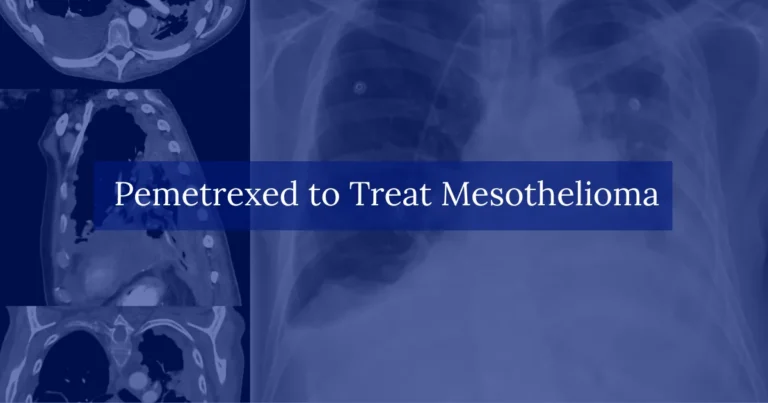
Key Takeaways Pemetrexed is an FDA-approved chemotherapy drug used to treat mesothelioma when surgery is not an option. It was approved in 2004 and must be administered in combination with cisplatin...

Key Takeaways In 2020, there were 2,681 new mesothelioma cases in the United States — a rate of 0.7 per 100,000 people, according to CDC data. Men accounted for 1,900 of those cases (1.1 per 100,000)...

Key Takeaways The FDA has approved new treatment options for pleural mesothelioma in recent years, offering patients alternatives beyond traditional chemotherapy. NovoTTF (Tumor Treating Fields) was...
Key Takeaways The United States does not have a National Mesothelioma Registry — unlike countries such as Italy, which has maintained one since 1993 (codified into law in 2002). The databases that do...
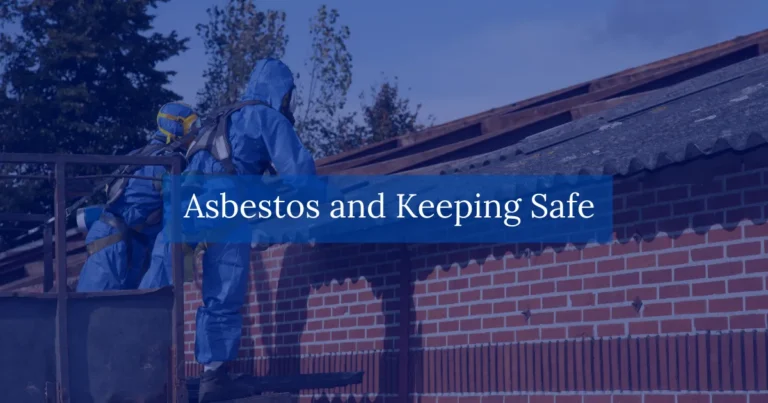
Key Takeaways Asbestos is a group of naturally occurring silicate minerals once valued for their heat resistance, tensile strength, and flexibility. It was used in insulation, building materials...
Key Takeaways Mesothelioma is not just a man’s disease. Annual mesothelioma deaths among women in the U.S. rose from 489 in 1999 to 614 in 2020, and the numbers continue to grow. In men...

Key Takeaways Before 2020, the standard first-line treatment for advanced pleural mesothelioma was chemotherapy with platinum and pemetrexed. That changed with the results of the CheckMate 743 trial...

Key Takeaways The PrE0505 study was a phase 2 clinical trial that tested the immunotherapy drug durvalumab combined with standard chemotherapy (pemetrexed and cisplatin) in patients with malignant...

Key Takeaways Malignant pleural mesothelioma (MPM) is the most common form of mesothelioma. Patients typically present with chest pain and breathlessness caused by fluid buildup between the layers of...

Key Takeaways A pleural effusion — sometimes called “water on the lungs” — is a buildup of excess fluid between the thin membranes (pleura) that line the lungs. While a small amount of...
Key Takeaways Mesothelioma can be caused by secondary (secondhand) asbestos exposure — not just direct workplace contact. Spouses, children, and other family members have developed mesothelioma from...

Key Takeaways Auto mechanics, car workers, and even hobbyists who work on vehicles could have been exposed to asbestos — and may still be at risk today. Brake pads historically contained 35% to 60%...

Key Takeaways Fox Chase Cancer Center, founded in 1904 and now part of the Temple University Health System, is a Pennsylvania cancer center that offers specialized mesothelioma diagnosis and...

Key Takeaways Westinghouse Electric Corporation, founded in 1886 in Pennsylvania, used asbestos extensively in its products — including turbines, welding rods, light bulbs, gaskets, packing, paper...

Key Takeaways Asbestos was used extensively across all branches of the U.S. military throughout the 20th century — in buildings where service members lived, slept, and ate, and in vehicles including...
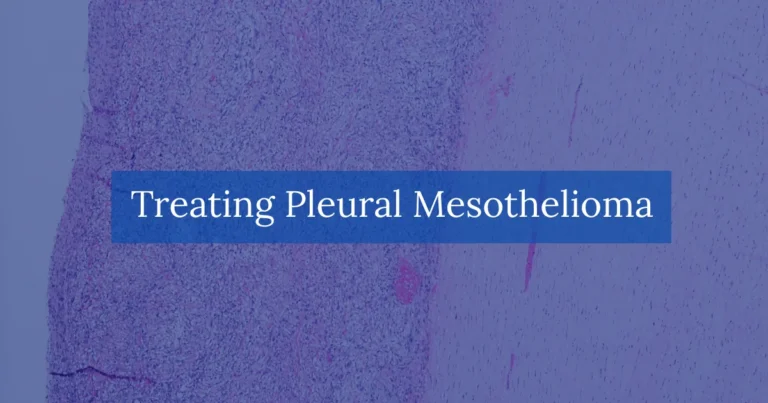
Key Takeaways Malignant pleural mesothelioma is the most common form of mesothelioma, accounting for about 75% of all cases. It begins in the thoracic cavity — the lining surrounding the lungs...

Key Takeaways The Philadelphia Naval Shipyard — one of the oldest and busiest shipyards in the country — used asbestos extensively in insulation, electrical wiring, boiler rooms, gaskets, pipes, and...
Key Takeaways There are four types of mesothelioma, each affecting a different part of the body — all caused by exposure to asbestos. Pleural mesothelioma (lining of the lungs) is the most common...

Key Takeaways Asbestos was used on virtually every U.S. Navy ship from the 1930s through the 1980s — in insulation, gaskets, valves, floor tiles, textiles, boiler rooms, engine rooms, and even...
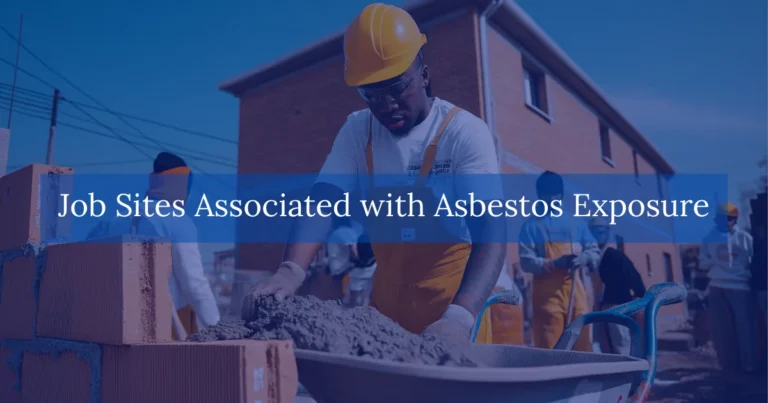
Key Takeaways Asbestos was used across a wide range of industries because it was affordable, lightweight, heat-resistant, and an effective insulator — but inhaling its fibers can cause mesothelioma...

Key Takeaways Asbestos-containing materials have been found in Pennsylvania nursing homes — including Good Shepherd Nursing Home in Allentown and Gracedale Nursing Home in Nazareth — posing health...

Key Takeaways Mesothelioma is a rare, aggressive, and ultimately fatal form of cancer that develops in the mesothelium — the thin layer of tissue covering most internal organs. It is caused by...
Key Takeaways Asbestos exposure can cause a range of diseases — not just mesothelioma. The five main conditions are asbestosis, mesothelioma, lung cancer, pleural thickening, and pleural effusion...

Key Takeaways Chemotherapy uses drugs — taken orally or injected — to stop cancer cell growth. A specialized form called hyperthermic intraperitoneal chemotherapy (HIPEC) heats the drugs before...

Key Takeaways People diagnosed with mesothelioma in Pennsylvania may have legal options related to past asbestos exposure. An experienced mesothelioma legal team can investigate a person’s work and...
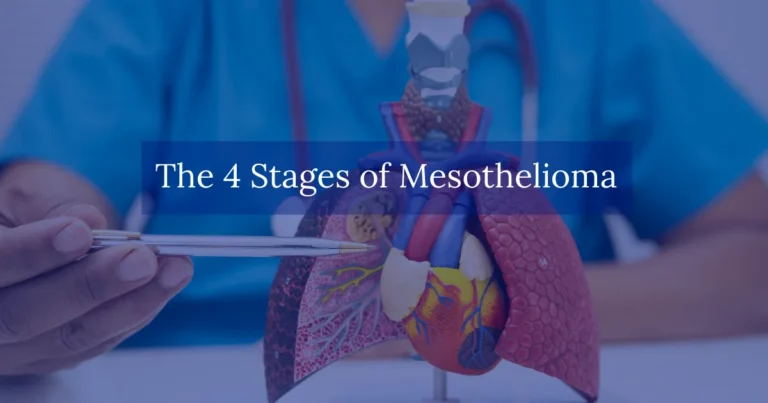
Key Takeaways Pleural mesothelioma — the most common type, affecting about 75% of patients — is classified in four stages based on how far the cancer has spread. Stage 1: The cancer is localized and...
