Key Takeaways
- Asbestos removal worker safety is important because disturbing asbestos-containing materials can release microscopic fibers into the air.
- Professional asbestos abatement may involve regulated work areas, engineering controls, HEPA filtration, wet methods, protective equipment, and respiratory protection.
- Wet methods and HEPA-filtered vacuums help control asbestos-containing dust and fibers during removal and cleanup.
- Decontamination procedures help prevent asbestos fibers from being carried outside the controlled work area on clothing, tools, or equipment.
- Asbestos removal should be performed according to applicable safety requirements because occupational asbestos exposure is associated with serious diseases, including mesothelioma.
Unlike many workers who encountered asbestos decades ago without knowing the potential danger, today’s asbestos abatement workers are trained to recognize and control asbestos hazards.
Asbestos removal worker safety is especially important because removing, cutting, scraping, or otherwise disturbing asbestos-containing materials can release microscopic fibers into the air. OSHA requires specific work practices and controls for construction activities involving asbestos, while EPA rules also regulate asbestos handling during many demolition and renovation projects.
Because asbestos removal can directly disturb asbestos-containing materials, abatement should be treated as specialized work rather than ordinary demolition or cleanup.
What Do Asbestos Removal Workers Do?
Asbestos removal is commonly referred to as asbestos abatement. Workers may remove or manage asbestos-containing insulation, flooring, pipe coverings, building materials, and other products during renovation, demolition, maintenance, or remediation projects.
Depending on the project, their duties may include preparing and isolating a work area, removing asbestos-containing material using controlled methods, packaging contaminated waste, cleaning the work area, and completing decontamination procedures.
EPA has established training and accreditation requirements for certain asbestos professionals, including asbestos abatement workers. States may also have their own licensing requirements.
Why Is Asbestos Removal Worker Safety Important?
Asbestos becomes an exposure concern when fibers are released into the air and inhaled.
Removal work presents a particular challenge because workers may intentionally disturb materials that contain asbestos. Cutting, breaking, scraping, removing, or cleaning these materials can potentially release fibers if the work is not properly controlled.
This is why asbestos removal worker safety involves several layers of protection rather than relying on one piece of equipment or one safety procedure.
OSHA’s construction asbestos requirements address activities such as demolition, removal, repair, maintenance, and renovation involving asbestos-containing materials.
How Are Asbestos Removal Work Areas Controlled?
One goal of professional asbestos abatement is to prevent fibers from spreading beyond the work area.
Depending on the type of asbestos work, workers may use regulated areas, barriers, enclosures, controlled access, HEPA-filtered ventilation, and other engineering controls.
For certain Class I asbestos operations, OSHA describes controls such as critical barriers, isolation of HVAC systems, impermeable coverings, and negative-pressure enclosures. These measures can help keep contaminated air within the controlled work area and away from workers’ breathing zones.
The exact controls required depend on the type of work and the asbestos-containing material involved.
What Protective Equipment Do Asbestos Removal Workers Use?
Personal protective equipment is another important part of asbestos removal worker safety.
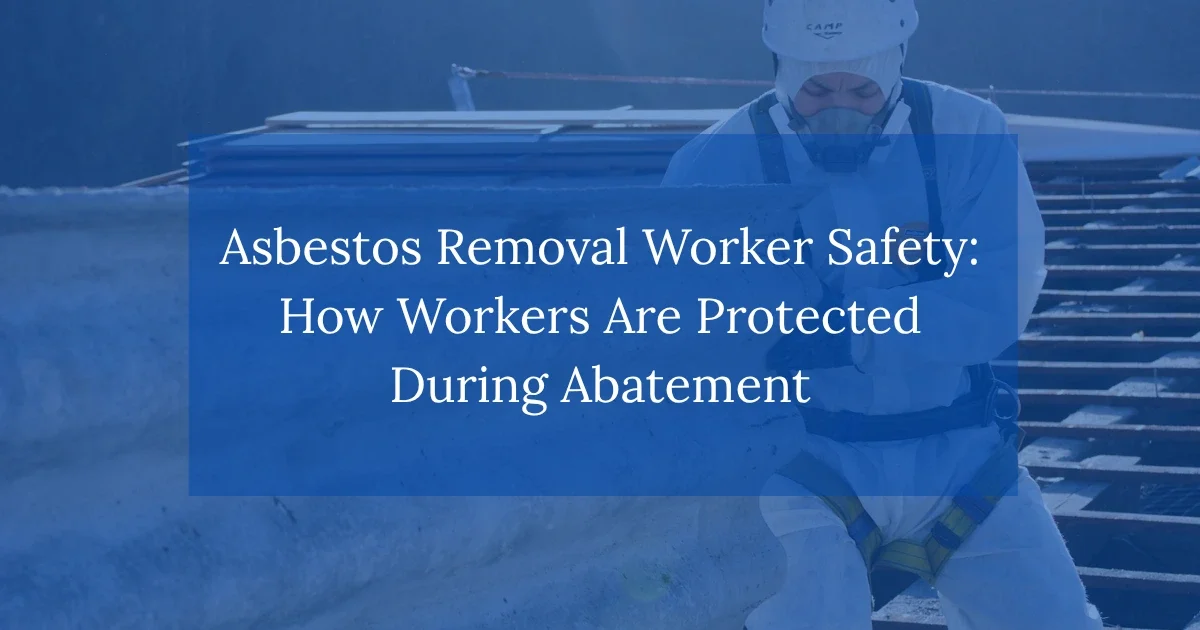
Depending on the work and expected exposure, asbestos workers may be required to wear appropriate respirators and protective clothing. OSHA requirements also address items such as head coverings, foot coverings, and gloves under applicable conditions.
Respirators are important, but they are not intended to replace engineering controls and proper work practices.
Instead, worker protection can involve multiple measures working together, including containment, ventilation, wet methods, HEPA filtration, protective clothing, respiratory protection, training, and decontamination.
Why Are Wet Methods Used During Asbestos Removal?
Keeping asbestos-containing material wet is one of the primary methods used to reduce the spread of asbestos dust during removal.
OSHA requires wet methods or wetting agents for covered asbestos activities such as handling, removal, cutting, and cleanup, except under specified circumstances. HEPA-filtered vacuums are also used to collect asbestos-containing dust and debris.
EPA’s asbestos requirements for regulated demolition and renovation work also include practices involving adequate wetting of regulated asbestos-containing materials and placing removed material in leak-tight containers.
Workers should avoid cleanup practices that unnecessarily spread asbestos dust. OSHA, for example, generally prohibits dry sweeping of asbestos-containing dust and the use of compressed air to remove asbestos-containing material unless the dust is captured by an enclosed ventilation system.
How Does Decontamination Protect Asbestos Workers?
Asbestos removal worker safety does not end when a worker finishes removing the material.
Asbestos contamination can remain on protective clothing, equipment, tools, and other surfaces if proper procedures are not followed.
For applicable asbestos work, OSHA requires hygiene facilities and decontamination procedures. Workers may need to remove contaminated protective clothing and clean themselves and their equipment before leaving the controlled area.
These procedures also help prevent asbestos fibers from being carried outside the work area.
That is especially important because asbestos contamination can potentially affect people who were never directly involved in the removal project.
Are Asbestos Removal Workers Still at Risk?
Modern safety procedures are designed to reduce occupational asbestos exposure, but asbestos abatement should not be considered risk-free.
Worker protection depends on properly identifying asbestos-containing materials, following applicable regulations, using engineering controls, wearing required protective equipment, completing appropriate training, and following correct removal, cleanup, and decontamination procedures.
NIOSH considers asbestos a potential occupational carcinogen and recommends reducing workplace exposure to the lowest feasible concentration.
Workers should therefore follow required asbestos procedures even when a project appears small or exposure seems limited.
Why Does Proper Asbestos Abatement Matter?
Professional asbestos abatement can protect more than the workers performing the removal.
Improper removal may allow asbestos fibers to spread into other areas, potentially exposing building occupants, contractors, maintenance employees, or others who later enter the space. EPA specifically warns that improper removal can increase asbestos exposure.
For regulated demolition and renovation projects, EPA work-practice standards are designed to minimize the release of asbestos fibers during removal, handling, packaging, transportation, and disposal.
That is why asbestos abatement requires careful planning from the beginning of a project through final cleanup and waste handling.
Final Thoughts
Asbestos removal worker safety depends on treating asbestos abatement as specialized hazardous-material work rather than ordinary demolition or cleanup.
Depending on the project, today’s asbestos removal workers may rely on regulated work areas, engineering controls, HEPA filtration, wet methods, respiratory protection, protective clothing, specialized training, and decontamination procedures to reduce occupational exposure.
These protections matter because asbestos exposure is associated with serious diseases that can develop many years after exposure.
At Pennsylvania Mesothelioma Information, we understand how overwhelming questions about asbestos exposure and mesothelioma can be, and you do not have to search for answers alone.
If you or a loved one has been diagnosed with mesothelioma, call us today at 800-505-6000 or reach out through our contact form and someone will be with you right away.
Frequently Asked Questions
What do asbestos removal workers do?
Asbestos removal workers, also called asbestos abatement workers, may prepare controlled work areas, remove or manage asbestos-containing materials, clean contaminated areas, package asbestos waste, and follow decontamination procedures. The exact duties depend on the material and type of project.
Why can asbestos removal be dangerous?
Removing, cutting, scraping, breaking, or otherwise disturbing asbestos-containing material can release microscopic fibers into the air. Workers may inhale these fibers if proper exposure controls and safety procedures are not followed.
What protective equipment do asbestos removal workers use?
Depending on the type of work and exposure conditions, asbestos removal workers may use respirators, protective clothing, gloves, head coverings, and foot coverings. Protective equipment is used along with engineering controls and safe work practices rather than as a replacement for them.
Why are wet methods used during asbestos abatement?
Wet methods help reduce the amount of asbestos-containing dust and fibers that can become airborne when materials are handled or removed. OSHA requires wet methods or wetting agents for covered asbestos activities except in specified circumstances.
What is a regulated asbestos work area?
A regulated area restricts access to locations where certain asbestos work is performed or where airborne asbestos concentrations may exceed permissible exposure limits. These areas help limit the number of people who could be exposed to asbestos.
Why is HEPA filtration used during asbestos removal?
HEPA-filtered equipment can help collect asbestos-containing dust and debris during removal and cleanup, reducing the amount of contamination that can spread through the work area.
Why is decontamination important for asbestos workers?
Asbestos fibers can contaminate clothing, tools, and equipment. Proper hygiene and decontamination procedures help prevent workers from carrying asbestos contamination outside the controlled work area.
Are asbestos removal workers still at risk today?
Modern regulations and work practices are designed to reduce occupational exposure, but asbestos abatement still requires careful controls. Proper training, engineering controls, safe work practices, respiratory protection, and decontamination remain important when workers handle asbestos-containing materials.
