
Key Takeaways
- Art and music therapy give mesothelioma and lung cancer patients a way to process fear, grief, and uncertainty that’s separate from medical treatment.
- Music therapy can help lower heart rate, ease pain, and improve sleep during chemotherapy and recovery.
- Art therapy—drawing, painting, journaling—reduces stress hormones and encourages mindfulness.
- Research from the NIH and American Cancer Society links both therapies to reduced anxiety and better quality of life during cancer treatment.
- Pennsylvania cancer centers, including UPMC and Penn Medicine’s Abramson Cancer Center, incorporate creative therapies into holistic care.
- Patients and caregivers can start simply, with music, a journal, or guided videos, without needing a formal program.
A diagnosis of mesothelioma or lung cancer can shake the strongest person to their core. Between medical appointments, treatments, and the emotional toll of uncertainty, anxiety can easily become part of daily life. While medical care focuses on the body, healing the mind and spirit is just as important, and that’s where creative therapies like art and music can make a remarkable difference.
At the Halpern Law Firm, we’ve met countless Pennsylvanians who have faced these challenges head-on. Many have found that creative outlets offer peace, connection, and a renewed sense of control during treatment.
The Healing Power of Creativity
Art and music therapy aren’t about being an artist or musician, they’re about expression. These forms of therapy help patients channel emotions that can be hard to put into words. For someone coping with mesothelioma, fear, frustration, and grief often coexist with hope and strength. Creative activities can give those feelings a safe space to surface.
- Art therapy can include drawing, painting, sculpture, or even journaling. It encourages mindfulness, reduces stress hormones, and allows patients to externalize what they feel inside.
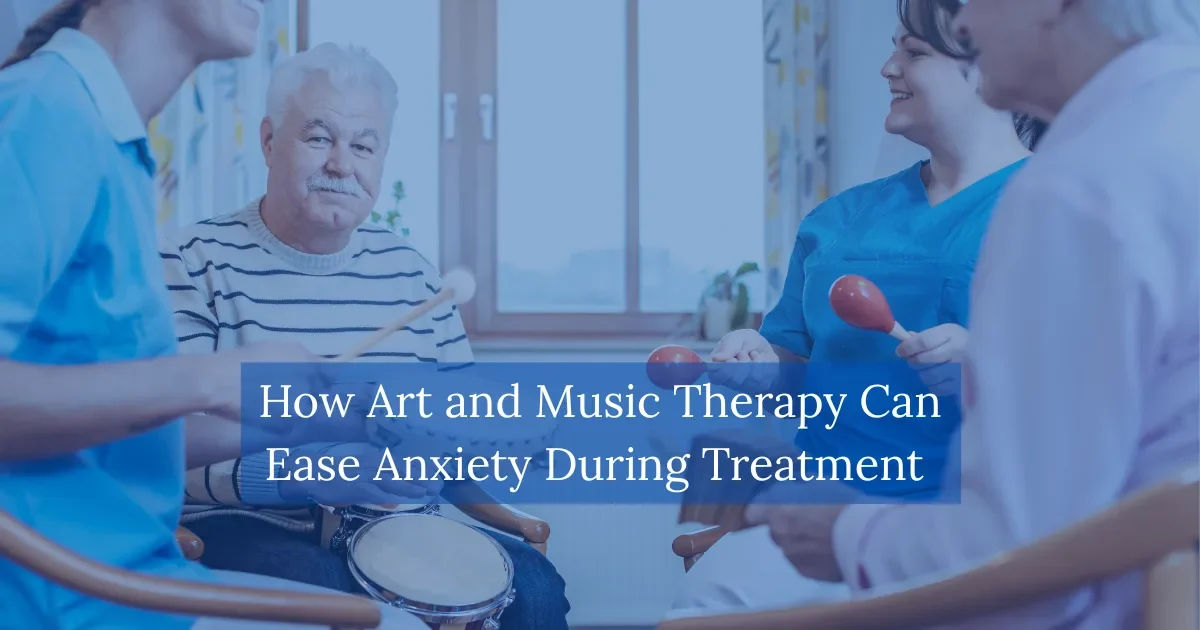
- Music therapy can mean listening to calming playlists, playing instruments, or composing personal pieces. Music has been shown to lower heart rate, ease pain, and improve sleep, and powerful benefits during chemotherapy or recovery.
Studies from the National Institutes of Health (NIH) and American Cancer Society (ACS) show that both therapies can reduce anxiety, boost mood, and improve quality of life for people undergoing cancer treatment.
Why Emotional Wellness Matters in Recovery
While medicine targets tumors and symptoms, emotional wellness strengthens resilience. For many mesothelioma patients, anxiety and depression can worsen fatigue, affect appetite, and interfere with recovery. Creative therapies offer a constructive way to cope.
Hospitals and cancer centers across Pennsylvania, such as the University of Pittsburgh Medical Center (UPMC) and Penn Medicine’s Abramson Cancer Center, integrate art and music therapy into their holistic care programs. These approaches remind patients that healing isn’t just about survival; it’s about restoring peace, identity, and connection throughout the journey.
Simple Ways to Start at Home
Even without formal programs, patients and caregivers can bring creativity into their routines:
- Play relaxing or meaningful music during rest or treatment.
- Keep a small sketchbook or journal to track emotions and gratitude.
- Explore guided art or music therapy videos online through reputable health channels.
- Attend community art classes or music circles designed for cancer survivors and families.
The goal isn’t perfection, it’s presence.
We Support You Through This
We’ve seen how emotional care and legal advocacy go hand-in-hand. As we help Pennsylvania families affected by asbestos exposure seek justice and financial security, we also recognize the importance of total wellness, physical, mental, and emotional.
If you or a loved one is navigating treatment for mesothelioma or asbestos-related illness, know that support comes in many forms. From creative therapies to compassionate legal guidance, there are people ready to help you through every step.
For compassionate guidance and clear answers, contact us at (800) 505-6000 or send us a message through our contact form. We’re ready when you are.
Frequently Asked Questions
Do I need artistic or musical talent to benefit from these therapies?
No. Art and music therapy are about expression, not skill. The goal is giving difficult emotions a safe outlet, not creating something polished.
What does music therapy actually involve?
It can be as simple as listening to a calming playlist or as involved as playing an instrument or composing a personal piece. Studies show it can lower heart rate, ease pain, and improve sleep during treatment.
Can these therapies really affect physical recovery, not just mood?
Yes. Anxiety and depression can worsen fatigue and interfere with appetite and recovery. By easing emotional strain, creative therapies can support the body’s ability to cope with treatment.
Where can Pennsylvania patients access art or music therapy programs?
Hospitals and cancer centers across the state, including UPMC and Penn Medicine’s Abramson Cancer Center, integrate these therapies into their holistic care programs. Community art classes and music circles for cancer survivors are also available in many areas.
How can I start using art or music therapy at home?
Play music that feels calming or meaningful during rest or treatment, keep a small sketchbook or journal, or explore guided art and music therapy videos from reputable health channels. No formal program is required to begin.
How does emotional support connect to legal help after a mesothelioma diagnosis?
Emotional care and legal advocacy often go hand-in-hand for families affected by asbestos exposure. For guidance on both, call (800) 505-6000 or reach out through our contact page.