Key Takeaways
- Penn Medicine is home to a multidisciplinary mesothelioma program where specialists collaborate to develop personalized treatment plans for each patient.
- Patients have access to advanced treatment options, including surgery, chemotherapy, immunotherapy, radiation therapy, and clinical trials based on their diagnosis and overall health.
- Penn Medicine’s team includes thoracic surgeons, medical oncologists, pulmonologists, radiation oncologists, pathologists, and supportive care specialists who work together throughout treatment.
- Comprehensive supportive services—including nutrition counseling, palliative care, rehabilitation, and patient navigation—help address both physical and emotional needs during treatment.
- Seeking care at a high-volume academic cancer center may provide access to specialized expertise and treatment options that are not widely available.
- Pennsylvania patients diagnosed with mesothelioma may benefit from obtaining an evaluation at Penn Medicine, even if they continue portions of their care closer to home.
Receiving a mesothelioma diagnosis can be overwhelming, and choosing the right medical team is one of the most important decisions a patient and their family will make. Because mesothelioma is a rare cancer, many patients benefit from treatment at medical centers that specialize in asbestos-related diseases and offer multidisciplinary care. In this case, receiving care from the Penn Medicine Mesothelioma Specialists, is a strong choice on the path to recovery.
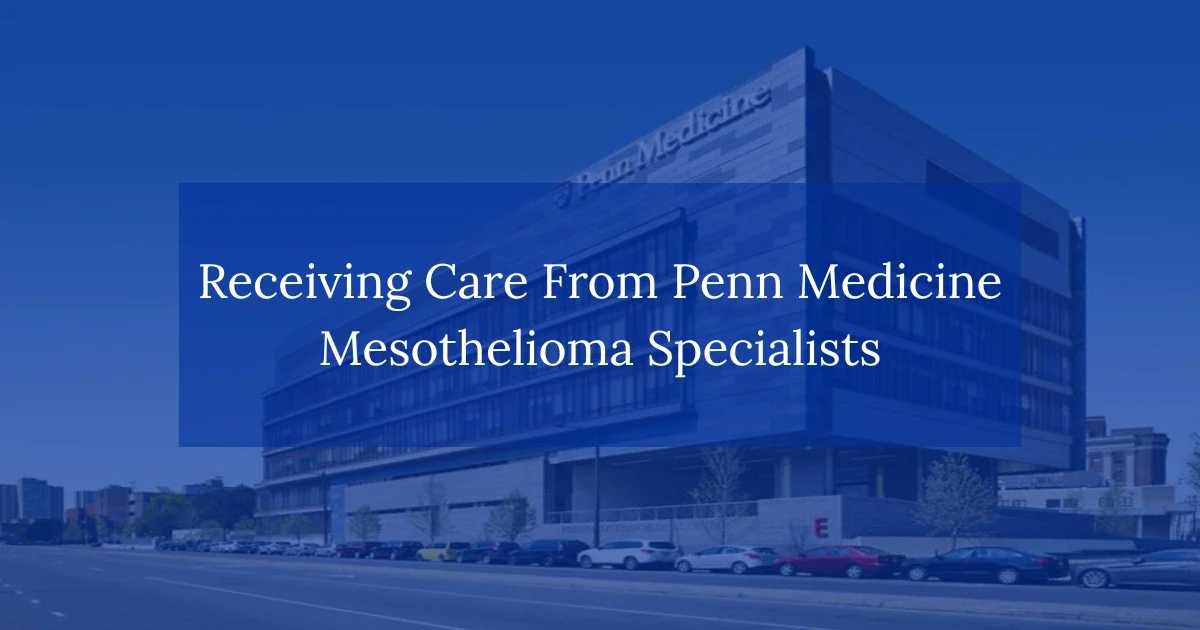
Penn Medicine is home to one of the nation’s leading mesothelioma programs. Through the Penn Mesothelioma and Pleural Program at the Abramson Cancer Center and Harron Lung Center, patients have access to specialists experienced in diagnosing and treating pleural mesothelioma using advanced therapies, surgery, and clinical research.
Why Choose a Mesothelioma Specialist?
Mesothelioma differs from many other cancers because it often requires a team of physicians from multiple specialties working together to develop an individualized treatment plan.
At Penn Medicine, patients may receive care from experts in:
- Thoracic surgery
- Medical oncology
- Radiation oncology
- Pulmonary medicine
- Pathology
- Diagnostic imaging
- Palliative and supportive care
This multidisciplinary approach allows specialists to evaluate each patient’s diagnosis, stage of disease, overall health, and treatment goals before making recommendations.
Penn Medicine’s Mesothelioma Program
Penn Medicine’s Mesothelioma and Pleural Program specializes in treating pleural mesothelioma and other pleural diseases. The program combines experienced physicians with advanced diagnostic technology and access to innovative treatments that may not be widely available elsewhere.
Patients may benefit from:
- Comprehensive diagnostic evaluations
- Individualized treatment plans
- Surgical consultation
- Chemotherapy
- Immunotherapy
- Radiation therapy
- Clinical trial opportunities
- Supportive care services
Treatment recommendations are developed by specialists who meet regularly to review each patient’s case and coordinate care.
Meet Penn Medicine’s Mesothelioma Specialists
Penn Medicine’s program includes physicians from several disciplines who focus on thoracic cancers and pleural disease.
Specialists include:
- Sunil Singhal, Thoracic Surgeon specializing in mesothelioma and minimally invasive thoracic procedures.
- Corey J. Langer, Director of Thoracic Oncology and medical oncologist with extensive experience treating mesothelioma and lung cancer.
- Additional specialists in thoracic surgery, pulmonary medicine, radiation oncology, pathology, radiology, and supportive care collaborate to provide comprehensive treatment.
Advanced Mesothelioma Treatments
Because mesothelioma is uncommon, treatment at an academic medical center may provide access to therapies and research opportunities that are not available everywhere.
Penn Medicine offers a variety of treatment options, including:
- Surgery for eligible patients
- Chemotherapy
- Immunotherapy
- Proton therapy
- Photodynamic therapy
- Clinical trials
- Symptom management and palliative care
Researchers at Penn Medicine continue to study new approaches designed to improve outcomes for patients with mesothelioma and other thoracic cancer.
The Importance of a Second Opinion
Because mesothelioma is rare and can be difficult to diagnose, many patients seek a second opinion before beginning treatment.
A second opinion may:
- Confirm the diagnosis
- Verify the stage of disease
- Identify additional treatment options
- Determine eligibility for clinical trials
- Help patients feel more confident in their treatment plan
Penn Medicine encourages second opinions and uses advanced imaging, pathology, and biopsy techniques to support accurate diagnoses.
Understanding Your Treatment Options
Every mesothelioma diagnosis is unique. Treatment recommendations depend on several factors, including the type of mesothelioma, how far the disease has progressed, overall health, and personal goals for care.
Working with experienced mesothelioma specialists can help patients better understand available therapies and develop a treatment plan tailored to their individual needs.
A Larger Perspective
Finding experienced medical care is one of the most important steps after a mesothelioma diagnosis. Pennsylvania is home to nationally recognized treatment centers where multidisciplinary teams combine research, advanced therapies, and supportive care to help patients navigate every stage of treatment.
If you or a loved one has been diagnosed with an asbestos-related disease, call (800) 505-6000 for a free consultation or fill out our online contact form today.
Frequently Asked Questions
Why do patients choose Penn Medicine for mesothelioma treatment?
Penn Medicine offers a multidisciplinary mesothelioma program where specialists from multiple fields work together to create individualized treatment plans. Patients also have access to advanced therapies, clinical trials, and supportive care services that may not be available at every medical center.
What treatments are available at Penn Medicine for mesothelioma?
Treatment options may include surgery, chemotherapy, immunotherapy, radiation therapy, targeted symptom management, and participation in clinical trials. The recommended treatment plan depends on the type, stage, and location of the mesothelioma, as well as the patient’s overall health.
Does Penn Medicine offer second opinions for mesothelioma?
Yes. Many patients seek a second opinion at Penn Medicine after receiving a mesothelioma diagnosis. A second opinion can help confirm the diagnosis, review pathology results, and determine whether additional treatment options or clinical trials may be appropriate.
Can I receive some of my treatment close to home?
Yes. Depending on your treatment plan, Penn Medicine may coordinate with local physicians so that certain aspects of your care can be provided closer to home while specialized procedures or consultations take place at Penn.
What supportive services are available for mesothelioma patients?
Penn Medicine offers supportive care services such as nutrition counseling, palliative care, rehabilitation, patient navigation, social work, and emotional support to help patients and their families throughout treatment.
How do I schedule an appointment with Penn Medicine’s mesothelioma specialists?
If you have been diagnosed with mesothelioma or would like a second opinion, contact Penn Medicine to discuss your treatment options. If you or a loved one has been diagnosed with mesothelioma after asbestos exposure, call (800) 505-6000 or reach out through our contact form to learn about available legal options and support.
