Key Takeaways
- What you eat, how you rest, and how you manage side effects during mesothelioma treatment can make a meaningful difference in how you feel and how well you tolerate treatment.
- Focus on high-protein foods (chicken, fish, eggs, beans, nuts), calorie-dense options (smoothies, nut butters, avocado), colorful fruits and vegetables, and staying hydrated with water, broths, and juices.
- Common treatment side effects — loss of appetite, nausea, fatigue, taste changes, and mouth sores — can all be managed with specific dietary and lifestyle strategies.
- Gentle activity (walking, stretching, breathing exercises), quality sleep, and stress management all support recovery alongside good nutrition.
- Contact your care team if you’re losing weight rapidly, can’t eat enough, or if side effects are significantly affecting your daily life — dietitians and cancer-care nurses can adjust your plan.
Many people with mesothelioma find that treatment brings not only medical challenges, but changes in appetite, energy, and comfort. What you eat, how you live, and how you manage side effects can make a difference in how you feel. Here are clear, helpful tips to support you during treatment.
Why Good Nutrition Helps
Before treatment, the body needs strength and energy. After treatment starts, it’s even more important. A healthy diet can:
- Help your immune system fight infection.
- Help you keep weight and muscle, so you feel stronger.
- Help you better tolerate treatment side effects.
Foods to Focus On
To support strength and healing:
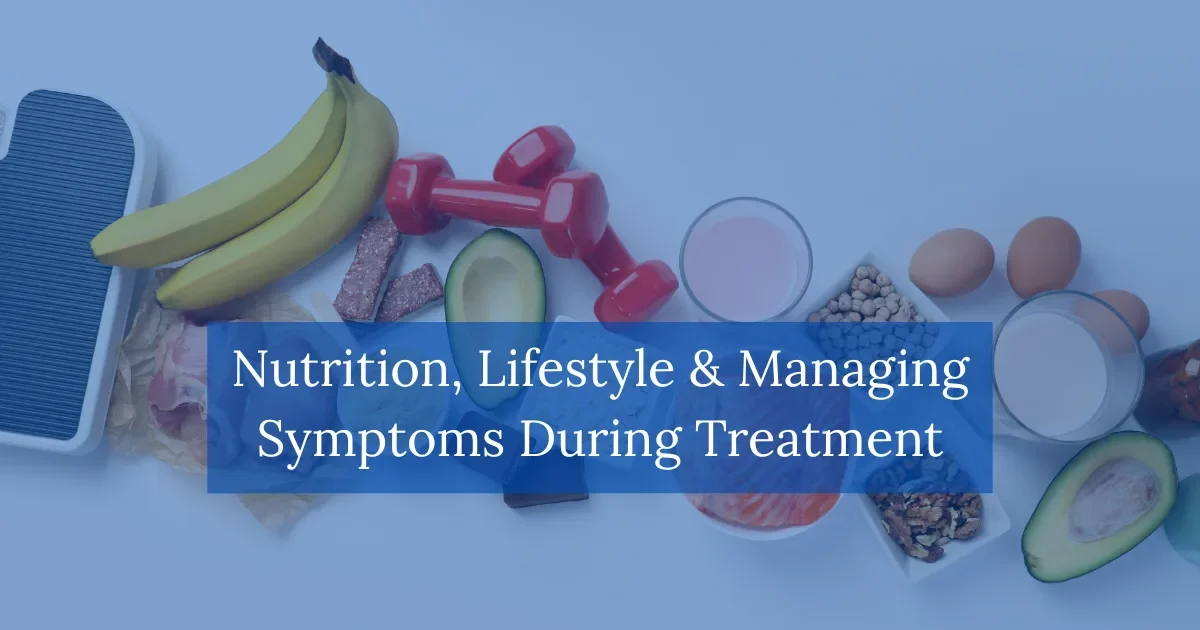
- High-protein foods — chicken, fish, eggs, beans, nuts. Helps rebuild tissue and slows muscle loss.
- Foods rich in calories — especially if appetite is low. Smoothies, nut butters, healthy fats like olive oil or avocado can help.
- Colorful fruits & vegetables — packed with vitamins, minerals, antioxidants. Helps protect healthy cells.
- Hydration — water, broths, juices. Staying hydrated helps with fatigue, digestion, and overall feeling well.
Dealing with Treatment Side Effects
Treatments like chemotherapy, radiation, and surgery often cause symptoms that make eating and day-to-day life harder. Here’s how to manage:
Symptom: Loss of appetite, early fullness
What You Can Try: Eat small, frequent meals. Have favorite foods ready. Try smoothies, soft or cold foods if hot ones bother you.
Symptom: Nausea or taste changes
What You Can Try: Stick to bland foods, try ginger, avoid strong smells, use milder spices, and drink small sips of liquids.
Symptom: Fatigue or low energy
What You Can Try: Focus on nutrient-dense foods. Rest when you need to. Light movement—like short walks or stretching—can help maintain strength.
Symptom: Mouth sores, swallowing issues
What You Can Try: Eat soft, moist foods such as soups or yogurt. Avoid acidic or spicy items. Keep good oral hygiene.
Lifestyle Changes That Support Recovery
Nutrition matters, but lifestyle choices matter too. Small changes outside food can help you feel better through treatment.
- Gentle activity: Walking, light stretching, breathing exercises. Helps with mood, lung function, and fatigue.
- Rest & sleep: Your body heals when resting. Try to establish a regular sleep schedule. Naps can help on low-energy days.
- Stress management: Stress or worry can reduce appetite, interfering with sleep. Find what helps you, talking, reading, meditation, faith, or hobbies.
- Support system: Let friends and family help. Sometimes meals, errands, or just company make a difference. Talking with nurses, dietitians or support groups gives practical help.
When to Ask for Professional Help
Sometimes symptoms and side effects get hard to manage on your own. Contact health professionals if:
- You are losing weight rapidly without trying.
- You can’t eat enough or digest food because of symptoms.
- Side effects like nausea, pain, or mouth sores interfere with daily life.
- You feel very weak or fatigued and it’s affecting your quality of life.
Dietitians, cancer-care nurses, or your treatment team can help adjust your nutrition plan, suggest safe supplements, or propose changes in treatment timing.
Bringing It All Together
Nutrition, lifestyle, and symptom management are connected. When one improves, others often get easier. Eating well supports energy, helps you tolerate treatment better, and keeps strength. Lifestyle changes like rest, gentle exercise, and managing stress tie right into that.
Our expert team is available 24/7 to answer your questions and guide you through your case. For more information, call (800) 505-6000, fill out our contact form, or chat with a representative in the bottom left corner of your screen.
You are not alone in this. With the right support, you can make your treatment journey a bit more manageable and feel stronger day by day.
Frequently Asked Questions
What should I eat during mesothelioma treatment?
Focus on foods that provide strength, energy, and healing support:
- High-protein foods — chicken, fish, eggs, beans, nuts. Protein helps rebuild tissue and prevents muscle loss.
- Calorie-dense foods — smoothies, nut butters, olive oil, avocado. Especially important when appetite is low.
- Colorful fruits and vegetables — rich in vitamins, minerals, and antioxidants that protect healthy cells.
- Fluids — water, broths, juices. Staying hydrated helps with fatigue, digestion, and overall wellbeing.
How can I manage nausea and appetite loss during treatment?
Several strategies can help:
- Eat small, frequent meals rather than three large ones
- Stick to bland foods when nausea is worst — crackers, toast, plain rice
- Try ginger — ginger tea, ginger chews, or ginger ale can help settle the stomach
- Avoid strong smells — opt for cold or room-temperature foods, which have less odor
- Sip liquids slowly throughout the day rather than drinking large amounts at once
- Keep favorite foods ready for when appetite does return
What lifestyle changes help during mesothelioma treatment?
Small changes outside of diet can significantly improve how you feel:
- Gentle activity — short walks, light stretching, and breathing exercises help with mood, lung function, and fatigue
- Rest and sleep — your body heals during rest. Establish a regular sleep schedule and allow naps on low-energy days.
- Stress management — find what works for you: talking, reading, meditation, faith, or hobbies
- Accept help — let friends and family assist with meals, errands, or simply being present
When should I contact my care team about side effects?
Reach out to your healthcare team if:
- You are losing weight rapidly without trying
- You can’t eat enough or digest food because of symptoms
- Side effects like nausea, pain, or mouth sores interfere with daily life
- You feel very weak or fatigued and it’s affecting your quality of life
Dietitians, cancer-care nurses, and your treatment team can adjust your nutrition plan, suggest safe supplements, or change treatment timing to help manage these issues.
Where can I get more support during treatment?
You don’t have to manage treatment alone. For medical and nutritional support, talk to your care team — including nurses, dietitians, and patient navigators. For legal help and financial resources, call (800) 505-6000 or fill out our contact form for a free consultation.
