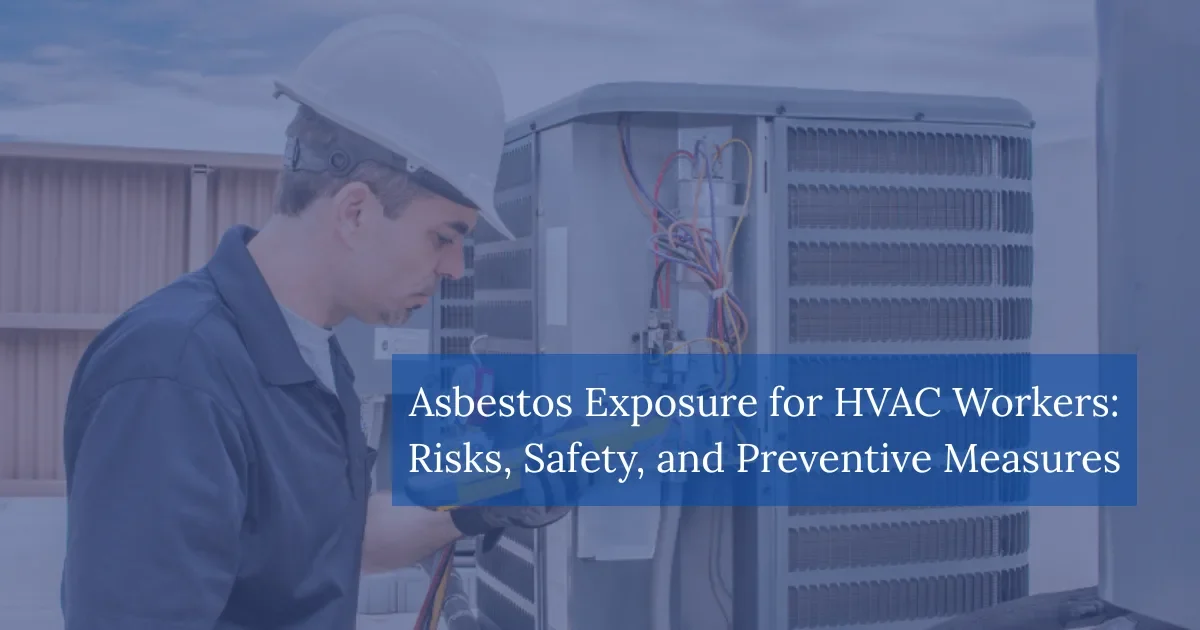
Asbestos was commonly used in a variety of industries, including the HVAC (Heating, Ventilation, and Air Conditioning) sector. It was utilized in the construction of ducts, insulation, and other materials due to its heat-resistant properties. However, asbestos exposure is dangerous and can lead to serious diseases such as mesothelioma, lung cancer, and asbestosis. HVAC workers, who often deal with older systems and materials, are at a higher risk of being exposed to asbestos. We will discuss the risks of asbestos exposure for HVAC workers, the importance of safety precautions, and how to reduce exposure to asbestos.
Why Asbestos Was Used in HVAC Systems
Asbestos has unique qualities that made it an ideal material for use in HVAC systems, including its:
- Heat resistance: Asbestos is highly resistant to heat and fire, making it an excellent insulator for ductwork and pipes.
- Durability: It’s a strong, durable material that can withstand the wear and tear of heating and cooling systems over time.
- Fireproofing: Many older HVAC systems used asbestos for fireproofing because it could help prevent fires from spreading in case of an emergency.
In buildings constructed before the 1980s, asbestos was used extensively in ductwork, insulation, pipe covers, and other HVAC components. HVAC workers often came into contact with these materials during installation, maintenance, and repair work, making them vulnerable to asbestos exposure.
The Risks of Asbestos Exposure for HVAC Workers
When asbestos-containing materials (ACMs) are disturbed, such as during renovations, repairs, or demolition of old HVAC systems, tiny asbestos fibers are released into the air. These fibers can be inhaled and become trapped in the lungs, causing serious health problems over time. Some of the diseases linked to asbestos exposure include:
- Mesothelioma: A rare but aggressive cancer that affects the lining of the lungs, abdomen, heart, or reproductive organs. Mesothelioma is caused by inhaling asbestos fibers.
- Lung Cancer: Prolonged exposure to asbestos can significantly increase the risk of lung cancer, particularly in workers who smoke.
- Asbestosis: A chronic lung disease caused by the inhalation of asbestos fibers, leading to scarring of the lungs and difficulty breathing.
HVAC workers who are regularly exposed to asbestos-containing materials while working on old or outdated HVAC systems are at a heightened risk of developing these diseases.
HVAC Workers’ Vulnerability to Asbestos Exposure
HVAC workers are particularly at risk for asbestos exposure for several reasons:
- Renovating Old Systems: When workers repair or replace HVAC systems in older buildings, they may disturb materials that contain asbestos, such as insulation around pipes, heating systems, and ducts.
- Lack of Awareness: For many years, the dangers of asbestos were not fully understood. HVAC workers in older systems may have unknowingly been exposed to asbestos when working with materials containing the toxic fibers.
- Poor Protection: In the past, workers may not have had proper protective equipment, like respirators or suits, to shield themselves from the hazardous fibers.
Safety Measures and Preventing Asbestos Exposure for HVAC Workers
With increased awareness of the dangers of asbestos exposure for HVAC workers, there are now specific safety measures and regulations designed to protect these workers:
1. Personal Protective Equipment (PPE)
HVAC workers should wear appropriate PPE, including respirators, gloves, and full-body suits when working with or around asbestos-containing materials. Respirators that can filter out asbestos fibers are essential in preventing inhalation.
2. Proper Training
HVAC workers must undergo training on the risks of asbestos exposure and how to handle materials that may contain it. This training should include identifying asbestos-containing materials and learning how to properly manage or remove them.
3. Asbestos Abatement Professionals
For larger-scale asbestos removal, HVAC companies should hire certified asbestos abatement professionals who are specially trained to safely remove and dispose of asbestos materials. Attempting to remove asbestos without the proper training and equipment can put workers and others at serious risk.
4. Regular Inspections
HVAC systems, especially in older buildings, should undergo regular inspections to assess the presence of asbestos-containing materials. Identifying potential hazards early can prevent exposure during repairs or maintenance work.
5. Follow OSHA Guidelines
The Occupational Safety and Health Administration (OSHA) has set strict guidelines to limit asbestos exposure in the workplace. HVAC companies should ensure they comply with these regulations, which include providing protective equipment and conducting routine air monitoring for asbestos fibers.
The Importance of Awareness and Legal Support
If you or someone you know works in the HVAC industry and has been exposed to asbestos, it’s important to be aware of the potential health risks and take preventive measures. Additionally, if you or a loved one has been diagnosed with mesothelioma or another asbestos-related disease, you may be entitled to compensation.
Legal support is available for individuals who have been affected by asbestos exposure, and law firms specializing in mesothelioma cases can help guide you through the legal process to ensure you receive the compensation you deserve.
HVAC Workers Beware
Asbestos exposure for HVAC workers remains a hidden danger, especially for those who work with older HVAC systems in buildings constructed before the 1980s. Understanding the risks, using proper safety measures, and adhering to regulations can significantly reduce the chances of harmful exposure. Protecting HVAC workers from this exposure is critical, as the health risks associated with it can be devastating. Proper awareness, training, and the right protective equipment can go a long way in keeping HVAC workers safe.
Get Legal Help from Our Experienced Team
If you or a loved one has been diagnosed with mesothelioma or another asbestos-related disease due to exposure while working in the HVAC industry, you may be entitled to compensation. Our team has over 35 years of experience helping victims of asbestos-related diseases. We can guide you through the legal process and help you get the compensation you deserve. For more information, call (800) 505-6000, fill out our contact form, or chat with a representative on our website.
Sources:
